Skip to content
Reading Horizons Logo

New Brand Embodies Reading Horizons’ Strategic Vision to Ensure All Students Reach Reading Proficiency by the End of Third Grade

(Kaysville, UT, February 3, 2022) – Reading Horizons, a leading literacy provider, today launched a comprehensive new brand identity, underscoring the profound need for reading proficiency in the formative and critical K-3 years.

The new brand identity will provide educators at both classroom and leadership levels with a deeper understanding and awareness of the organization’s far-reaching commitment to impacting reading proficiency for all learners by the end of third grade while continuing to support reading intervention in later grades as well as in alternative educational settings.

“While 95% of third graders nationwide are cognitively capable of reading proficiently, data shows that 64% are not reading proficiently by the end of third grade,” said Stacy Hurst, Chief Academic Officer at Reading Horizons. “Three in four of these learners will never catch up. As educators, we feel these numbers in our core.”

“Our new brand identity program is designed to reflect our company-wide stance and commitment to fight illiteracy shoulder to shoulder with the educators we serve. Our program, based in the science of reading for nearly 40 years, has equipped more than 50,000 teachers to help all students reach reading proficiency,” said Tyson Smith, Chief Executive Officer of Reading Horizons. “Our new brand expresses the seriousness of our mission to help all students achieve reading proficiency by third grade and to fully support the educators we serve in all settings as they implement our program.”

Reading Horizons’ new brand identity will visually represent the organization’s data-driven, science-based approach, tonally embodying the critical importance of the issue it has championed for decades. The changes represent the start of an exciting new era for Reading Horizons and its educational partners and evolved through collaboration with schools and district stakeholders. The Reading Horizons team included educators and educator leaders on its journey to develop and refine branding and messaging components.

Members of the educator stakeholder group shared their input and responses as reflected in these educator statements:

  • “The new brand identity communicates hope and a new beginning for educators and students.”
  • “It shows momentum and a strong partnership between a literacy provider and educators.”
  • “The new identity aligns with everything an educator who understands the science of reading knows to be true.”

The new brand identity has launched online at www.readinghorizons.com.

Educators can join the conversation at #RHmomentum.

About Reading Horizons

Reading Horizons supports educators with powerful tech-enabled foundational reading instruction that helps all students reach reading proficiency by the end of third grade. For nearly 40 years, the Reading Horizons method has aligned with the evolution of the science of reading, empowering over 50,000 educators with evidence-based teaching strategies that prevent and remediate reading difficulties. Reading momentum begins with Reading Horizons.

This review was originally published on the Learning Counsel website

12-word description of app/product:

A reading program that provides intervention for students from 4th grade through adults.

Formats:

Online software

Website:

Reading Horizons Elevate®

What does it help with?

Students who are struggling to read past the 3rd-grade level need deeper intervention. The Reading Horizons Elevate® Software assesses student needs, provides targeted instruction, and monitors student progress. Students learn how to read effectively through an explicit, systematic, phonics-based approach that uses Orton-Gillingham principles of instruction.

What grade and age range?

4th grade and above, including adults

Is this core/supplemental/special needs/extracurricular/professional development or what?

The Reading Horizons Elevate® Software is used as a reading intervention for struggling readers, students with special needs, and English Language Learners.

What subject, topic, what standards is it mapped to?

Literacy

What lesson time does it use?

Each lesson on the Reading Horizons Elevate® Software can be completed in 10–20 minutes. Because the software can be accessed by students at home, lessons can be completed during class time or assigned as homework.

What is the pricing model?

Because each school and district has diverse needs and capacities, pricing is specific to product needs and school or district size. Interested parties can contact an account representative at (800) 333-0054 for pricing information that is catered to specific needs.

Are there services around it?

Unlimited Tech Support

Each of Reading Horizons products are backed with free, unlimited tech support through phone conferencing and online resources.

Reading Horizons Accelerate® Customer Website

The Reading Horizons Accelerate® website is another free resource for customers that helps teachers prioritize student needs by compounding student data from the Reading Horizons Elevate® Software and dividing students into groups based on current skill mastery. Student groupings are recalculated for each skill students complete in the software, helping teachers determine how to best spend class time. The Accelerate website also connects teachers to how-to videos and lesson supports that can be used to supplement and enhance software lessons.

Teacher Training

When first implementing Reading Horizons products in the classroom, most schools select to have a one-day live onboarding training for their teachers and additional training through the Reading Horizons Online Professional Development Course.

What makes Reading Horizons unique?

Reading Horizons empowers teachers with the tools and training to target the specific gaps in each student’s reading skills—leading to efficient gains in intervention settings. When students master the skills taught in the Reading Horizons instructional method, they are prepared with the phonetic and decoding skills needed to read the majority of the words in the English language. Students learn these skills through a unique, research-based approach that uses Orton-Gillingham principles of instruction.

A description of the characteristics–how is it designed for user interface, user experience? What instructional design principles are at work here?

The Reading Horizons Elevate® Software was designed with older students in mind. It uses a modern interface, a simple reward system, and robust assessments to assure lesson content is suited to a student’s current skill level. Through this software, older students can fill the gaps in their foundational reading skills without wasting time learning concepts they already know and without the childish games and books that are often used to teach basic skills. Students maintain their dignity and independence as they master foundational reading skills, enhance their vocabulary, and transfer these skills into fluent reading with reading passages that appeal to older students.

Teacher reviews:

C. initially was placed in Reading Horizons Elevate in April of 2018. He struggled with reading and basic classroom rules. Because of his difficulty with behaviors, we took him out of the program for from June until August. Something clicked with C. and he came back into class motivated and wanting to learn. He quickly made progress in the program and having started at a 660 Lexile, he completed the program in October with a Lexile of 790. He improved in classes as well. On his vocabulary tests, he regularly scored 70% or below, with a modified vocabulary list. Toward the end of the Reading Horizons program, he began to score 90% or more on each test with no modifications. His comprehension improved in not only Literature, but in Science and Social Studies as well, causing his grades to improve. C. is in the middle of his 9th-grade year and has already made impressive gains. He reports that he thinks he will be ‘ahead of the game’ when he returns to his regular school.

—Stefanie Harris, Teacher, Wyoming Boys School, WY

I placed an ESL student on the Reading Horizons Elevate Software program whose mother language is Arabic. Within just three months, his ESL level rose by a level and a half!

—Sara Chlebik, Northwest Service Cooperative, MN

More than half of my first group of students were able to successfully leave the program after three months of working with Reading Horizons Elevate, reading fluently on grade level and meeting their projected goal on a state-mandated test. This has allowed me space and opportunity to work with more students in need of this great program.

—Patricia McNair, Senior Reading Advisor, Shelby County Schools, TN

The upper-grade students are feeling successful with the Reading Horizons Elevate Software program and they see good improvement with their comprehension. They really like the library. They like the program because when they fail a quiz they can relearn and retake the test. They feel determined and successful when they take it over and finally pass. They like that lessons can be reset and redone. They ask for help more and more as the lessons go on. I like this program. It is working.

—Travis Lyons, Teacher, Carle’ Continuation School, CA

This review was originally published on the Learning Counsel website

reading-intervention-software

12-word description of app/product:

A reading program that provides intervention for students from 4th grade through adults.

Formats:

Online software

Website:

Reading Horizons Elevate®

What does it help with?

Students who are struggling to read past the 3rd-grade level need deeper intervention. The Reading Horizons Elevate® Software assesses student needs, provides targeted instruction, and monitors student progress. Students learn how to read effectively through an explicit, systematic, phonics-based approach that uses Orton-Gillingham principles of instruction.

What grade and age range?

4th grade and above, including adults

Is this core/supplemental/special needs/extracurricular/professional development or what?

The Reading Horizons Elevate® Software is used as a reading intervention for struggling readers, students with special needs, and English Language Learners.

What subject, topic, what standards is it mapped to?

Literacy

What lesson time does it use?

Each lesson on the Reading Horizons Elevate® Software can be completed in 10–20 minutes. Because the software can be accessed by students at home, lessons can be completed during class time or assigned as homework.

What is the pricing model?

Because each school and district has diverse needs and capacities, pricing is specific to product needs and school or district size. Interested parties can contact an account representative at (800) 333-0054 for pricing information that is catered to specific needs.

Are there services around it?

Unlimited Tech Support

Each of Reading Horizons products are backed with free, unlimited tech support through phone conferencing and online resources.

Reading Horizons Accelerate® Customer Website

The Reading Horizons Accelerate® website is another free resource for customers that helps teachers prioritize student needs by compounding student data from the Reading Horizons Elevate® Software and dividing students into groups based on current skill mastery. Student groupings are recalculated for each skill students complete in the software, helping teachers determine how to best spend class time. The Accelerate website also connects teachers to how-to videos and lesson supports that can be used to supplement and enhance software lessons.

Teacher Training

When first implementing Reading Horizons products in the classroom, most schools select to have a one-day live onboarding training for their teachers and additional training through the Reading Horizons Online Professional Development Course.

What makes Reading Horizons unique?

Reading Horizons empowers teachers with the tools and training to target the specific gaps in each student’s reading skills—leading to efficient gains in intervention settings. When students master the skills taught in the Reading Horizons instructional method, they are prepared with the phonetic and decoding skills needed to read the majority of the words in the English language. Students learn these skills through a unique, research-based approach that uses Orton-Gillingham principles of instruction.

A description of the characteristics–how is it designed for user interface, user experience? What instructional design principles are at work here?

The Reading Horizons Elevate® Software was designed with older students in mind. It uses a modern interface, a simple reward system, and robust assessments to assure lesson content is suited to a student’s current skill level. Through this software, older students can fill the gaps in their foundational reading skills without wasting time learning concepts they already know and without the childish games and books that are often used to teach basic skills. Students maintain their dignity and independence as they master foundational reading skills, enhance their vocabulary, and transfer these skills into fluent reading with reading passages that appeal to older students.

Teacher reviews:

C. initially was placed in Reading Horizons Elevate in April of 2018. He struggled with reading and basic classroom rules. Because of his difficulty with behaviors, we took him out of the program for from June until August. Something clicked with C. and he came back into class motivated and wanting to learn. He quickly made progress in the program and having started at a 660 Lexile, he completed the program in October with a Lexile of 790. He improved in classes as well. On his vocabulary tests, he regularly scored 70% or below, with a modified vocabulary list. Toward the end of the Reading Horizons program, he began to score 90% or more on each test with no modifications. His comprehension improved in not only Literature, but in Science and Social Studies as well, causing his grades to improve. C. is in the middle of his 9th-grade year and has already made impressive gains. He reports that he thinks he will be ‘ahead of the game’ when he returns to his regular school.

—Stefanie Harris, Teacher, Wyoming Boys School, WY

I placed an ESL student on the Reading Horizons Elevate Software program whose mother language is Arabic. Within just three months, his ESL level rose by a level and a half!

—Sara Chlebik, Northwest Service Cooperative, MN

More than half of my first group of students were able to successfully leave the program after three months of working with Reading Horizons Elevate, reading fluently on grade level and meeting their projected goal on a state-mandated test. This has allowed me space and opportunity to work with more students in need of this great program.

—Patricia McNair, Senior Reading Advisor, Shelby County Schools, TN

The upper-grade students are feeling successful with the Reading Horizons Elevate Software program and they see good improvement with their comprehension. They really like the library. They like the program because when they fail a quiz they can relearn and retake the test. They feel determined and successful when they take it over and finally pass. They like that lessons can be reset and redone. They ask for help more and more as the lessons go on. I like this program. It is working.

—Travis Lyons, Teacher, Carle’ Continuation School, CA

Kaysville, UT, February 9, 2021—In order to combat the high-stress levels of students and educators during the pandemic, Reading Horizons has launched a professional learning series titled Getting to the Heart of Effective Reading Instruction with Social-Emotional Learning. This series begins on Tuesday, February 9 at 4:00 PM ET and includes four free webinar sessions and three podcast Q&A sessions to help educators learn how to help themselves and their students become more resilient to stress in and out of the classroom. If educators miss a session, all the recordings will be available to anyone who registers for the series.

social-emotional-learning-webinar-series

The first two sessions of this webinar series, Power Up Your Reading Instruction by Becoming Stress Resilient, Pt. 1 + 2, will focus on strategies that teachers and educators can implement to reduce their stress levels in and out of the classroom and school settings. Educators can then set the stage for more effective instruction and more impactful interactions with other educators, students, and parents.

The last two sessions of this webinar series, How to Reduce Student Stress to Increase Reading Performance, Pt. 1 + 2, will focus on strategies for reducing student stress in the classroom—especially for struggling readers who often experience high levels of stress when reading and performing other academic tasks.

These sessions will be presented by Dr. William Blake, Shantell Berrett Blake, MA, and Carrie Drake Saunderson, MA.

After fifteen years of clinical practice, Dr. William Blake served as the CEO of a national medical management company. Upon becoming frustrated with a healthcare system that focused on sickness rather than health, he founded the Meducos Health Institute, where he promotes using lifestyle as the best way to achieve health. He now specializes in combining physical, mental, emotional, and social health to help others live a balanced and healthy life.

Shantell Berrett Blake, M.A., is the Director of Training and Presenting at Reading Horizons. She holds a Masters in the Science of Reading with a dyslexia certification. Shantell is the mother of a child with dyslexia and dysgraphia, which was the catalyst for her professional path. She believes in support for the whole individual, addressing learning difficulties and social and emotional needs as well. She earned her Cognitive Behavioral Therapy Practitioner certificate in 2020 to better address individuals’ emotional challenges with language processing difficulties. She is passionate about literacy and the overall growth and development of the individual.

Carrie Drake Saunderson received her MA TESOL from Brigham Young University and a Certificate in Applied Positive Psychology (CAPP) from The Flourishing Center in Oakland, California. As a passionate educator and positive psychology practitioner, Carrie spent over 13 years teaching nearly every age group and demographic before coming to Reading Horizons in 2016. She has worked with curriculum and training and presenting at Reading Horizons and established a company wellness initiative called RH Thrive. She especially loves combining so many of her passions—people, reading, teaching, learning, and wellness—in various professional roles and settings.

The webinar series will be hosted by Erika Huff, Campaign and Event Manager for Reading Horizons. The podcast Q&A sessions will be hosted by Laura Axtell, M.Ed., on the Reading Horizons podcast, Podclassed.

To register and learn more about this professional learning series, visit this page.

About Reading Horizons

For almost 40 years, Reading Horizons has worked to make the principles of reading science practical for the classroom through professional learning, direct instruction materials, and technology tools. The program helps beginning readers, struggling readers, and English Language Learners of all ages find reading success. Reading Horizons products are research-based and use a multisensory system that provides explicit, systematic, and sequential decoding instruction. For more information, please visit ReadingHorizons.com.

Press Contact

Jacob Hanson
PR with Panache!
jacob@prwithpanache.com

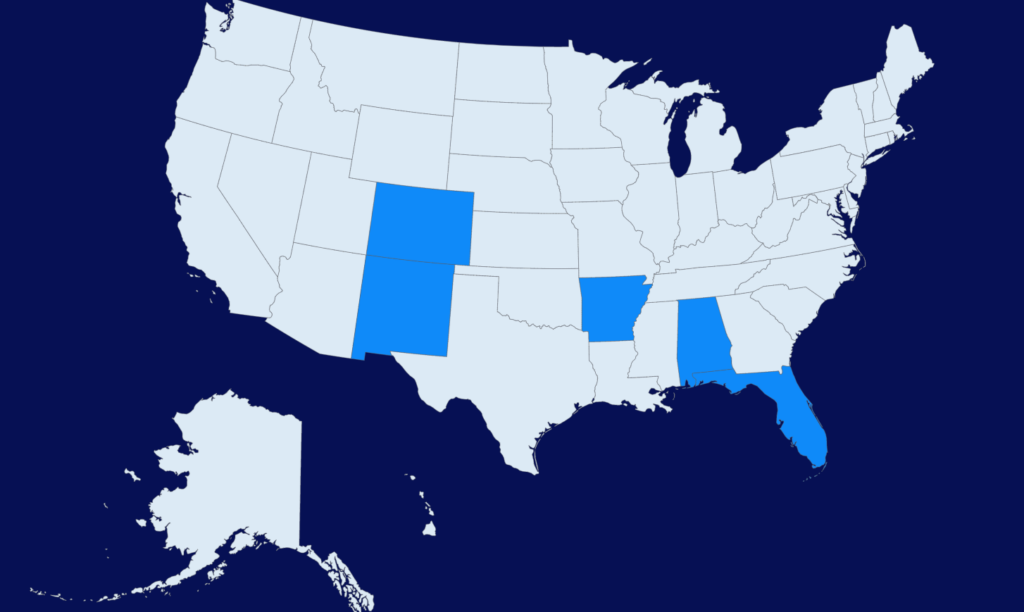
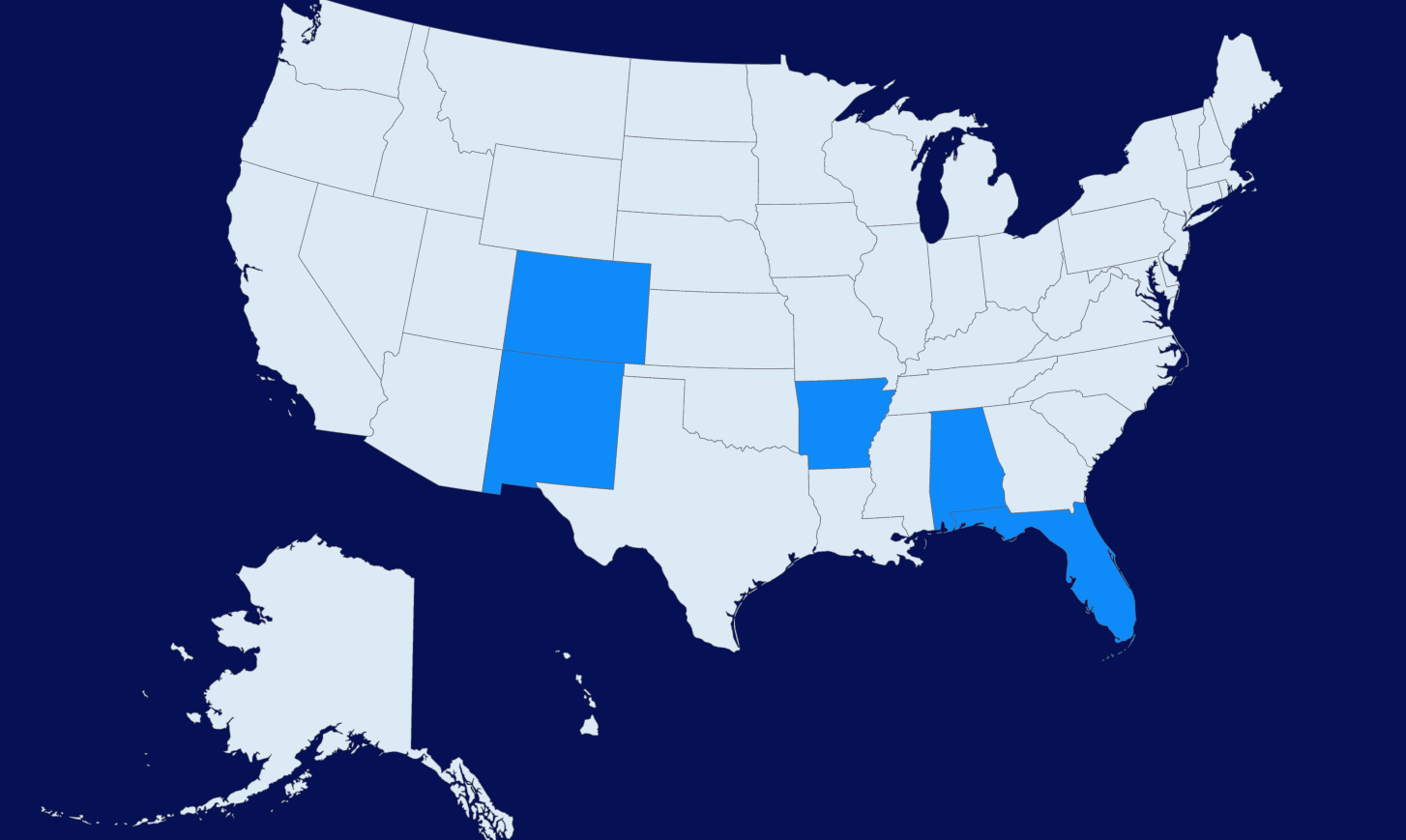
KAYSVILLE, UT, January 19, 2021—Reading Horizons, a curriculum that emphasizes the fundamental principles of Structured Literacy, has recently been selected for state curriculum lists in Alabama, Arkansas, Colorado, Florida, and New Mexico. Reading Horizons prepares teachers to provide phonics-based instruction for K–12 students and students with dyslexia. Now more teachers across the US will be able to benefit from Reading Horizons professional learning, curriculum materials, and technology tools in remote, hybrid, and classroom settings.

state-reading-curriculum-lists

The Alabama Literacy Task Force named Reading Horizons on its Approved Alabama Literacy Act Intervention Programs List for K–3 reading and dyslexia intervention. The Alabama Literacy Act states that “each student in Grades K-3 who exhibits a reading deficiency, or the characteristics of dyslexia, based on the results of an early reading assessment, shall be provided an appropriate reading intervention program to address his or her specific deficiencies.”

The Arkansas Division of Elementary and Secondary Education has included the Reading Horizons Discovery® program on the Arkansas Approved Science of Reading Curriculum List of approved K–6 core curriculum programs that are supported by the science of reading. The list is the first to review materials, resources, and curriculum programs that ensure quality reading instruction that is explicit, systematic, cumulative, and diagnostic. Out of the 46 programs that went through the two-part review process, only 26 qualified under these requirements.

In connection with the Colorado READ Act, the Reading Horizons Discovery® program was added to the 2020 Advisory List of Instructional Programming for Intervention Programming, specifically for phonics and word study. This list fulfills the requirement outlined in the READ Act for the Colorado Department of Education to identify quality reading instructional programs and professional development programs for use by local education agencies.

Reading Horizons programs were also added to the 2020–2021 Florida Instructional Materials Short Bid Report. The Reading Horizons Discovery® program for grades K–3 was added to the list for Basic Skills in Reading K–5 and Functional Reading Skills K–5. The Reading Horizons Elevate® program for grades 4+ was added to the list for High School Intensive Reading 1, 2, and 3.

Lastly, the Reading Horizons Discovery® program was added to the New Mexico 2020 Adopted Multiple List for K–2 Structured Literacy. According to the New Mexico Public Education Department website, this list was created because “each school district and charter school [in New Mexico] is required to provide timely, appropriate, systematic, scientific, evidence-based interventions for students displaying characteristics of dyslexia. While some comprehensive programs include structured literacy components, supplements may be required for intervention or when core materials do not adequately address structured literacy.”

Reading Horizons is currently submitting its programs to additional state approval lists and RFPs. Contact your representative to learn more about Reading Horizons in your state.

About Reading Horizons

For almost 40 years, Reading Horizons has worked to make the principles of reading science practical for the classroom through professional learning, direct instruction materials, and technology tools. The program helps beginning readers, struggling readers, and English Language Learners of all ages find reading success. Reading Horizons products are research-based and use a multisensory system that provides explicit, systematic, and sequential decoding instruction. For more information, please visit ReadingHorizons.com.

Press Contact

Jacob Hanson
PR with Panache!
jacob@prwithpanache.com

(Utah)—Reading Horizons, a reading curriculum developer, has added a new level of leadership to meet the expanding needs of the company’s customers and employees. With a focus on reading science and technology, the company has been able to support many schools as they have converted their classrooms to include the principles of reading science and online literacy instruction—leading to sustained growth for the company and improved literacy performance for over 100,000 students.

“This is the time in the history of Reading Horizons and the literacy landscape where it is necessary for us to add a new level of leadership to maximize the impact we can offer to educators and students,” said Tyson Smith, CEO of Reading Horizons.

Previously, the company had two chief level officers, Tyson Smith, Chief Executive Officer, and Stacy Hurst, Chief Education Officer. With the new growth, Reading Horizons has added the following individuals to their leadership team:

Trisha Thomas as Chief Revenue Officer. Trisha brings over 20 years of experience in developing and executing revenue models that lead to an impact on K–12 education. Trisha has previously worked to build the marketing strategy and customer experience for several educational companies, including Discovery Education, Evan-Moor Educational Publishers, and Illustrative Mathematics. Trisha received her Business Management degree from the University of Maryland and her MBA from Johns Hopkins University.

Dave Clark as Chief Product Officer. Dave has been in product development since 1995. He has designed and overseen the creation of products used in public schools, colleges, and universities. He has been an entrepreneur for decades, directly overseeing product development. Previous to Reading Horizons, he was the Director of the U.S. Institute of Languages for 18 years. In that capacity, he designed and wrote the curriculum for four products that won educational awards. Dave has a master’s degree in Language Pedagogy.

Brent Egan as Chief Operating Officer. Brent brings over 15 years of professional executive leadership in operations with experience throughout various industries. Brent received his Finance and Business Administration degree from Weber State University and his MBA from Utah State University.

“Our growth and impact is a testament to the character of our company and our commitment to the principles of reading instruction that lead to success for beginning and struggling readers. With more schools turning to the science of reading and digital technology, we’ve been ready to meet their needs. We are excited about this new leadership team and the additional 60 years of experience they will bring to our company and customers,” Tyson Smith said about the new leadership team.

About Reading Horizons

For almost 40 years, Reading Horizons has worked to make the principles of reading science practical for the classroom through teacher training, direct instruction materials, and technology tools. The program helps beginning readers, struggling readers, and English Language Learners of all ages find reading success. Reading Horizons products are research-based and use a multisensory system that provides explicit, systematic, and sequential decoding instruction. For more information, please visit ReadingHorizons.com.

Press Contact

Jacob Hanson
PR with Panache!
jacob@prwithpanache.com

Education specialists dive into how educators and parents can support struggling readers, ELL students, and students with dyslexia in an at-home learning environment. This article was originally published on eSchool News.
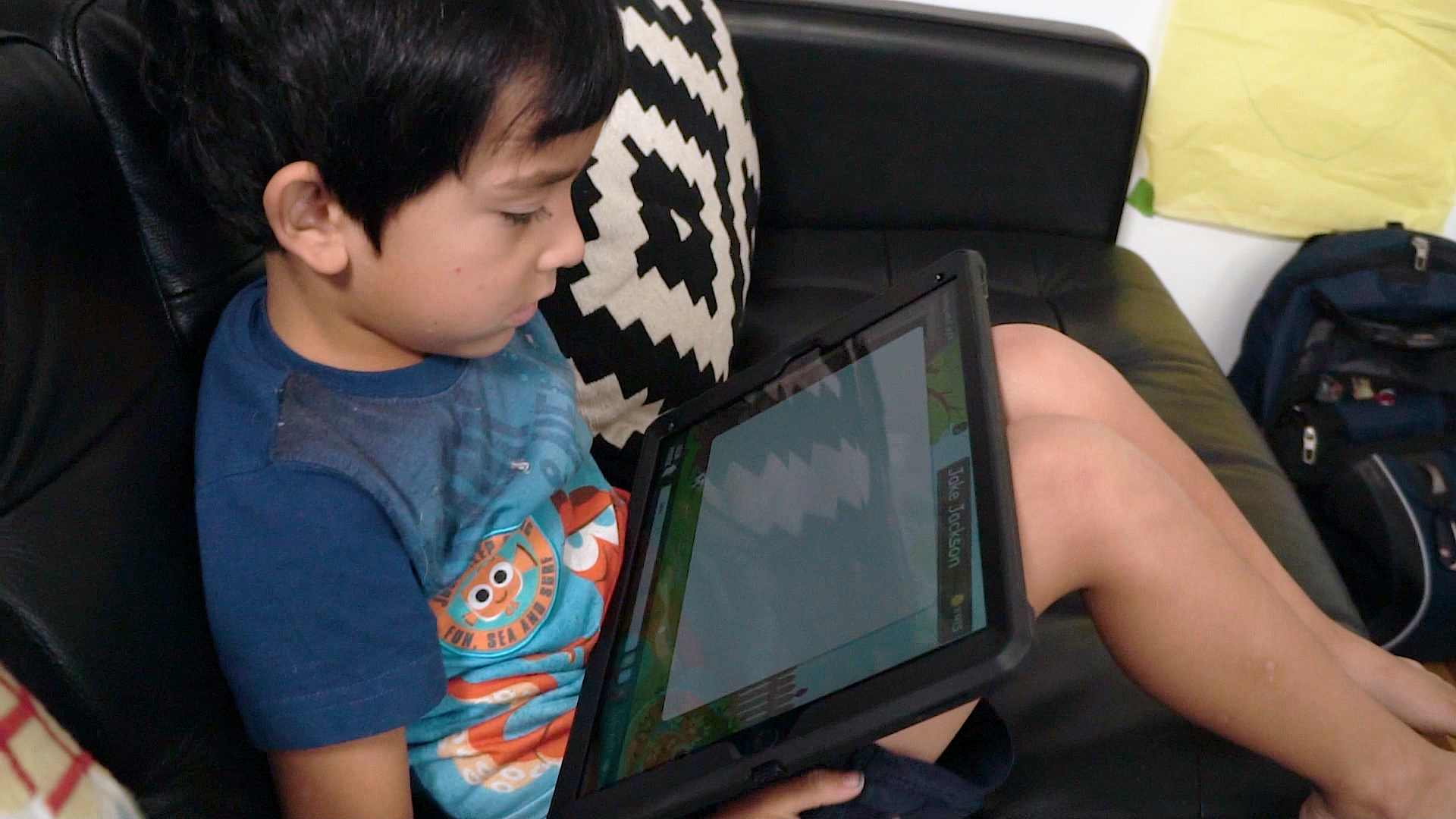

struggling-readers-distance-learning

Parents who might be uncomfortable with continuing their role of teacher this fall can find solace in this fact: authentic teachable moments happen outside the classroom all the time. If your student or child had to rapidly transition to an at-home learning environment as a striving reader, an English language learner, or one with dyslexia, there are many ways that the support they received in school can transfer to their home.

Creating authentic learning experiences, such as having your child help prepare meals, shop, and participate in outings to parks or museums, can improve literacy. Simply engaging in conversation in the language spoken at home around shared experiences, explaining your thinking, and asking open-ended questions so your child can share their thoughts facilitates a deeper level of communication. This builds metacognition, which is key for comprehension and reading success.

As an implementation coach and educational specialist for a reading program, we would like to share two simple tips no matter what area of reading your student struggles with: finding effective resources and strategies, and building background knowledge. Students who struggle with reading need repetition, practice, and familiarity to keep the momentum going. Providing your students with authentic experiences and background knowledge on the topics they are reading gives them a head start on reading comprehension. There are many ways parents and educators can further support their readers, whatever their needs. We broke down specific strategies you can use to make learning at home as effective as possible.

For your striving readers

Set specific goals: A helpful way to begin is to identify some simple goals for reading. For example, have your student use their finger to ensure they stop and look at every word rather than guess or skip words. Another goal may be to pause whenever they see a period, since many striving readers miss punctuation. Discussing the content with your student is vital for building reading comprehension and retention. For younger children, that may involve them retelling the story. Older students may identify the key points in the text.

Communicate with your child’s teacher to understand what specific intervention goals, if any, the child is working towards. Together, form a plan for your child to continue that support to attain their goal.

Find quality tech resources: One of the most significant supports for striving readers is providing access to research-aligned reading instruction they can access at home with support from a teacher or parent. Make sure students have at-home access to decodable text and stories that match their Lexile level to practice fluency. Model reading aloud regularly.

If students have technology at home, software like Reading Horizons—a systematic, explicit approach to teaching reading and spelling—increases the ability of students of any age to decode words and connect to text.

Boost confidence: Be sure to provide frequent encouragement when a child makes progress. Celebrating small successes keeps the focus on what they can do instead of what they are not yet able to do. Research by Cambria and Guthrie (2010) indicated that confidence in oneself is more closely linked to achievement in school than any other motivator.

For your English language learners (ELLs)

Focus on speaking and listening: For Level 1 and 2 ELLs, practice in social communication and functional English are the most beneficial. Students with more speaking proficiency can begin basic reading and writing and move to more academic English as they are ready.

For students who have access, use the ABC tools on Reading Horizons Discovery or pronunciation tools on Reading Horizons Elevate to listen to how the sounds are made in the English language. The student can record themselves pronouncing the sound and play it back for accuracy.

Having access to an interactive online site is helpful, and there are a number of free resources available. Encouraging the use of English subtitles for television, free language apps, and opportunities for conversation with an English speaker can also be valuable. Pairing a student learning English with a classmate for conversations online or by phone can be a wonderful way to support students and build relationships.

Use storytelling tools: Storytelling is a fantastic way to get conversations going. For young children, use picture books and have your students discuss what is happening in the story. Use the images to build vocabulary (“See this wreath on the door?”). For older students, having them predict what will happen next, discuss an event, or give an opinion on a character’s motivation can be powerful.

For your students with dyslexia

Analyze the amount of support they need: Consider how involved you need to be in supporting your student in completing work. For example, review assigned reading and provide the pronunciation and definitions for unknown words. Have your student read the assignment aloud. If it’s too difficult, they will need you to read it to them or help them through more difficult words. This is also a great opportunity to spend more time conversing about the topic, what the words mean, and how it connects to what they’re studying. Students with dyslexia are usually able to gain a much greater understanding when they have the opportunity to connect oral discussion to text. Audiobooks for longer reading assignments are a wonderful resource for students and are readily available for most novels.

Find an alternative to reading: There are plenty of ways to help students with dyslexia connect with content, especially if the topic is more complex. Watching a YouTube video or a movie about a historical event or a science concept can be just as valuable and will help them to be much more independent.

Discuss strategies for organizing and completing work: Students with dyslexia may have difficulty with executive functioning. Keeping track of multiple assignments or projects can be overwhelming. Having an organizational system with a list of assignments, deadlines, and an estimate of the time the tasks will take to complete can help students focus on what is most immediate. Include a place to check off completed tasks. Support your student in brainstorming and planning different options to complete assignments within the given timeframe. For example, could they complete half of an assignment in the morning and use a later session to finish up? Having the student reflect on their choices and level of productivity will help make undertaking future assignments easier.

There are plenty of ways that educators and parents can support readers in a distance learning model. Remember that you’re not alone, find technology that will help, and keep the dialogue open. Learning can come from unexpected places.

About the Authors

Jillian Kaster is an implementation coach and Laura Axtell is an education specialist for Reading Horizons.

This is part 3 of a six-part series revolving around how to improve the classroom experience for students with dyslexia. You can read part 1 here and part 2 here. This article was originally published in Smartbrief.


Keeping a student with an individualized education program on track during distance learning, all while combating the traditional summer slide, is challenging. A recent report by NPR analyzed a survey by ParentsTogether, an advocacy group, that asked 1,500 parents from diverse socioeconomic, geographic, and racial backgrounds about their distance-learning experiences associated with school shutdowns. The survey found that the lowest-income parents, making less than $25,000 a year, were 10 times more likely than families making six figures and above to say their kids were doing little or no remote learning. Of the families with children in special education, four in 10 said they weren’t receiving any support. Additionally, just one in five reported receiving all the services their children were entitled to.

As a parent, administrator and educator, I’m concerned that these numbers will become standard. As forgiving as we all are (and should be) during this difficult time, schools should seek out solutions to these problems or they will be exacerbated as time goes on. Throughout the summer and by fall, there should be plans in place to guarantee that services will not be interrupted. Students with learning difficulties need a predictable schedule in order to thrive. With the early closing of traditional classrooms due to COVID-19 and then summer break, many students haven’t had a regular routine for months. Here are four ways parents and educators can keep their students with IEPs on track and combat the COVID slide before the new school year begins.

Connect With Your School

I would encourage parents to reach out to the school and make sure you’ve had your IEP meeting (probably virtually) or that it’s scheduled before fall. I would also make sure you have a plan for the possibility of some fall school closures, even if they’re temporary.

In Utah, where I live, the state board of education is leaving many of the day-to-day decisions in the hands of the districts. The reasoning is that each school has different needs and concerns. With this in mind, I would reach out to your child’s school and communicate any concerns or suggestions you may have regarding their return to schooling. Your comments will provide much-needed feedback for your local school, which is more than likely still in the process of making choices about what back-to-school will look like.

Establish Accountability for the Resources You Need

If your student is receiving services to improve reading skills, ask your school for access to any online programs that you can continue to use during the summer.

If your school doesn’t have any online resources, ask how you might be able to help them get those resources. Would a phone call from a parent to the district on behalf of the school be helpful? Many reading advocacy groups such as Learning AllyThe International Dyslexia Association, and the Reading League have suggestions for programs, and some even offer scholarships for schools and individuals to access audio resources and software programs.

If your school does have online resources, make sure the program teaches reading according to what we know about the science of reading. Is the program systematic and sequential, teaching foundational skills like decoding and spelling with a strong introduction and continued teaching of the sounds within words as well as individual sounds? Vocabulary, comprehension, and writing should also be addressed. How is your student being monitored? What is the protocol if your student isn’t making progress or seems to be backsliding? If you didn’t have a parent advocate before the pandemic, you should think about contacting the district to find out how you can get an advocate to help you with your IEP. You may be placed on a waiting list, but it’s worth getting in line.

Understand Your Student’s Goals

The goals in your student’s IEP need to be directly linked to what your child needs to become a proficient reader. If you don’t understand the goals, ask educators to explain them to you so you know what you should be supporting and how best to help. This is one of the most prominent disconnects I see with regards to IEPs for struggling readers.

If you have very generalized goals that mention reading so many words a minute in a certain level text with so many errors, ask for goals that address the actual skill that needs to be taught. In other words, before your student can read so many words a minute, he or she needs to be able to decode words—and before decoding words, your student needs to understand how the sounds in words can be identified and manipulated. This is the process a student should follow within Structured Literacy.

Connect With Other Parents and Educators

As challenging as this pandemic has been for education, it’s also a rare opportunity for people to come together to support students. Many technology businesses are donating their services to provide internet access and computers for all students. Education companies have provided free or drastically reduced programming for students. The best advice for parents and educators right now is to reach out to each other. If you have a need, ask the school. If you need to contact the district, call the district. Reach out to other educators for help and suggestions. Think about putting strong parent advocates in touch with parents who may need support. If you haven’t joined your local chapter of Decoding Dyslexia, now would be a good time. They may not be meeting in person, but their Facebook pages are active with conversations and suggestions.

Finally, while the country is focused on conversations regarding discrimination and marginalization, there isn’t a better time to come together to advocate that every student has access to excellent, appropriate literacy instruction. Everyone has the right to read, and we know how to teach everyone how to read. While the nation is in a process of self-examination, let’s push the conversation regarding literacy.

As Maryanne Wolf, the widely recognized reading advocate and researcher, wrote in her book Tales of Literacy for the 21st Century, “One of the most important contributions that literacy makes is the development and refinement of critical analytical skills.” She continued, “Literacy adds to the background knowledge of the literate person, which, in turn, changes the way that person thinks, reads, reasons, and dreams.”

Dreams belong to everyone, as Dr. Martin Luther King reminded the nation during the March on Washington in 1963. King’s speech and particularly the line “I have a dream …” is synonymous with the appeal for fairness and equality—for a world where opportunity is not for the few but for all. On a narrower scope, reading can be that portal for students around the country to dream and think critically. They just need the resources to learn.


Donell Pons is a reading and dyslexia specialist in Salt Lake City, Utah, with a master’s degree in education and teaching from Westminster College, along with a certification in special education. She started her career in education when her youngest son was diagnosed with dyslexia. She uses Reading Horizons in her one-on-one work with students. Connect with her at dbpons@gmail.com.

This is part one of a six-part series revolving around how to improve the classroom experience for students with dyslexia. This series was originally published on SmartBrief.


The history of reading instruction in the United States is surprisingly well-documented. This history includes the various theories and practices for teaching reading that have existed over the last century.

There are podcasts, radio, and print pieces on what have been called the “reading wars,” an ongoing debate among educators, researchers, politicians, and more about the best way students should be taught to read. Much of the debate centers on the teaching of phonics—connecting the sounds of speech to the letters that represent them in order to decode words that are unfamiliar—versus a whole language approach that relies on exposure to text rather than teaching the components of the language.

Mark Seidenberg’s book Reading at the Speed of Sight offers a drop-the-mic description of the reading wars. He explains that while educators shouldn’t be blamed for implementing the whole language approach over the last several decades, continuing to make the claim that whole language is the best way to teach reading should be faulted because research has contradicted this assertion beyond a reasonable doubt. Educators have a responsibility to know and practice the reading instruction approaches that are best for their students.

With all of the confusion surrounding the science of reading and what we have learned about how we learn to read, a unifying term has finally been born to explain the best practice in reading instruction for students with dyslexia. Here’s why Structured Literacy is the most effective approach to reading instruction for students with dyslexia and how you can implement it in your classroom.

Why Structured Literacy?

Structured Literacy is a trademarked term used by the International Dyslexia Association to describe the best approach for reading instruction. This approach is based on the science of how the brain learns to read and supports the methods of instruction known as Orton-Gillingham. Many research-based reading programs are based on the principles of Structured Literacy. The guiding principles of this approach are:

  • Phonology: The sound structure of spoken words
  • Sound-symbol association: The mapping of letter sounds to symbols
  • Syllable instruction: A unit of oral or written language with a vowel sound
  • Morphology: Teaching the meaning of words by breaking them down
  • Syntax: Appropriate order and use of words
  • Semantics: Making meaning from language

Once we understand what students with dyslexia must be taught to be successful readers, we need to be equally attentive to how it is taught. Structured Literacy instruction is systematic and cumulative, explicitly taught with constant assessment to guide instruction.

Stanislas Dehaene, a French cognitive neuroscientist, is conducting some groundbreaking research into how humans learn language. His latest book, How We Learn: Why Brains Learn Better Than Any Machine…for Now, includes recent fMRI data providing insight into just how innate language is for most people.

In fact, Dehaene says babies prefer listening to their native language rather than a foreign one right from birth. He goes on to say that babies can tell the difference between most vowels and consonants in every language in the world—also right from birth.

This insight into the infant brain and the ability to distinguish spoken language should provide the direction we need to improve reading instruction and dispel once and for all the erroneous idea that reading remediation is a game of wait and see. Rather, armed with the science of how we learn, educators can be prepared to provide appropriate and systematic instruction in the critical sound development needed as a foundation for reading instruction—as soon as possible.

Building Phonemic Awareness

As Dehaene has pointed out, infants are “hardwired” with the ability to acquire language. Since a person with dyslexia may display a weakness in phonemic awareness and rapid automatized naming, covering all of the areas from phonemic awareness to semantics will help them gain the skills they need to be competent readers. Because sound is so vital to learning language, phonemic awareness taught to the advanced level is critical for students with dyslexia.

Perhaps the greatest example of how important it is to understand the components of Structured Literacy, as well the science of how we learn, is when an adult student, who has struggled for most of his life, is able to hear the different sounds within a word for the first time. I watched one adult student in particular as he worked to gain advanced phonemic awareness skills as part of a Structured Literacy program called Reading Horizons.

After working for several months, he was finally able to distinguish the individual units of sound within a word, dropping and adding sounds as instructed. This was a revelation for him. “Imagine what I could have done with reading and spelling if I had been able to hear and work with the sounds,” he stated at the end of a tutoring session. He had been drowning in sounds his entire life, and now he was finally swimming.

Making the Switch to Structured Literacy

Making sure that your literacy program aligns with the components of Structured Literacy begins by reviewing the components of Structured Literacy carefully in order to understand each element and its role in instruction. Then confirm that your program teaches all of those elements, with a special emphasis on phonemic awareness to help students with dyslexia.

Since there is evidence that Structured Literacy not only benefits students with dyslexia but every student, it makes sense to closely examine reading instruction for all students, regardless of age. The clear message is it’s never too late to intervene when it comes to reading. We know it’s much easier to improve reading the earlier we intervene, but we shouldn’t dismiss intervention for older students and adults. As educators, our responsibility is to build a strong foundation in reading for all of our students.


Donell Pons is a reading and dyslexia specialist in Salt Lake City, Utah, with a master’s degree in education and teaching from Westminster College, along with a certification in special education. She started her career in education when her youngest son was diagnosed with dyslexia. She uses Reading Horizons in her one-on-one work with students. Connect with her at dbpons@gmail.com.

This podcast was originally published on Blog Talk Radio.


Reading Horizons Company President, Tyson Smith, and special guest, Sandra Halley, School Improvement Specialist for Marion School District in Arkansas, discuss literacy and how COVID-19 school closures have affected reading instruction with the host of Education Talk Radio, Larry Jacobs.

Listen to the broadcast: